Life Science
Daily News
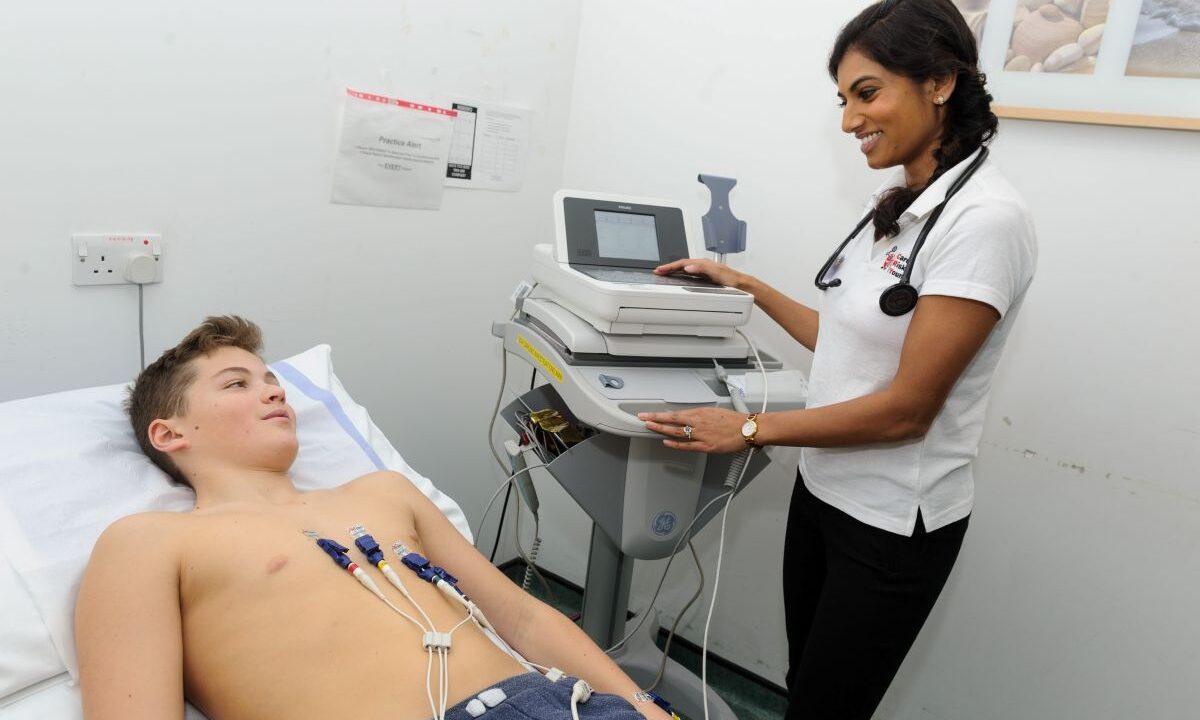
A decade-long study of more than 104,000 young people aged 14–35 shows that routine cardiac screening using electrocardiograms can identify serious, potentially fatal heart conditions in asymptomatic individuals, supporting the case that screening saves lives and should inform policy change.
- About 1 in 300 screened were found to have a dangerous cardiac condition.
- Of those identified, over 40% received significant interventions such as implantable defibrillators, pacemakers, ablation, and in a small number of cases, heart transplant — while others received medical management and monitoring.
- The study also highlighted that a single screening isn’t sufficient, as some conditions can develop later, emphasizing the value of repeat screening over time.
Those behind the research advocate for broader cardiac screening approaches for young people based on this long-term data. Read more…